


Analog vs Digital: Why Paper Still Helps Us Focus
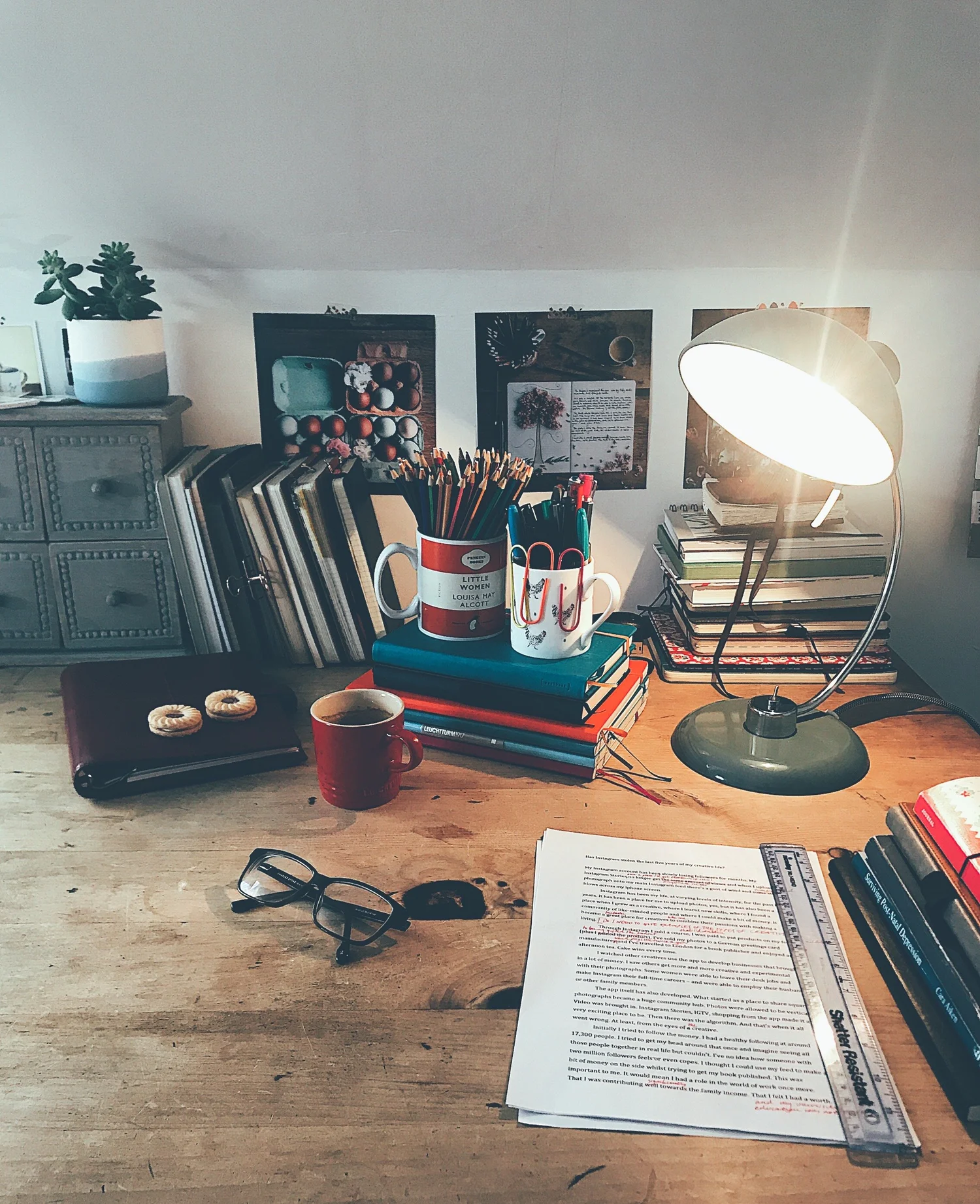
In a world filled with screens, notifications, and constant input, paper offers something rare—quiet. Writing things down by hand slows the pace, steadies attention, and creates a deeper connection between thought and action. Analog tools don’t compete for focus; they protect it.

The Science of Slowing Down
When you write by hand, your brain processes information differently. Unlike typing, handwriting engages multiple areas of the brain—improving comprehension, memory, and focus.
Paper encourages:
-
Deeper thinking and reflection
-
Better retention of ideas
-
Fewer distractions while working
Slower input leads to clearer output.
Paper Creates a Boundary
Digital tools blur lines—between work and rest, focus and distraction. Paper creates a natural boundary. There are no alerts, tabs, or pop-ups competing for attention.
When you open a notebook, you open one task.
Clarity Through Physical Space
Ideas on paper take up physical space. This helps you:
-
See priorities clearly
-
Track progress visually
-
Reduce mental clutter
Crossing something off a page creates a sense of completion that digital checkboxes rarely replicate.
Why Paper Feels Calming
There’s something grounding about pen on paper. The texture, the movement, the rhythm—all of it brings you into the present moment.
Paper supports:
-
Mindful work sessions
-
Journaling and reflection
-
Focused planning without overwhelm
It’s not about nostalgia—it’s about presence.
Analog and Digital Can Coexist
This isn’t about rejecting technology. It’s about balance.
-
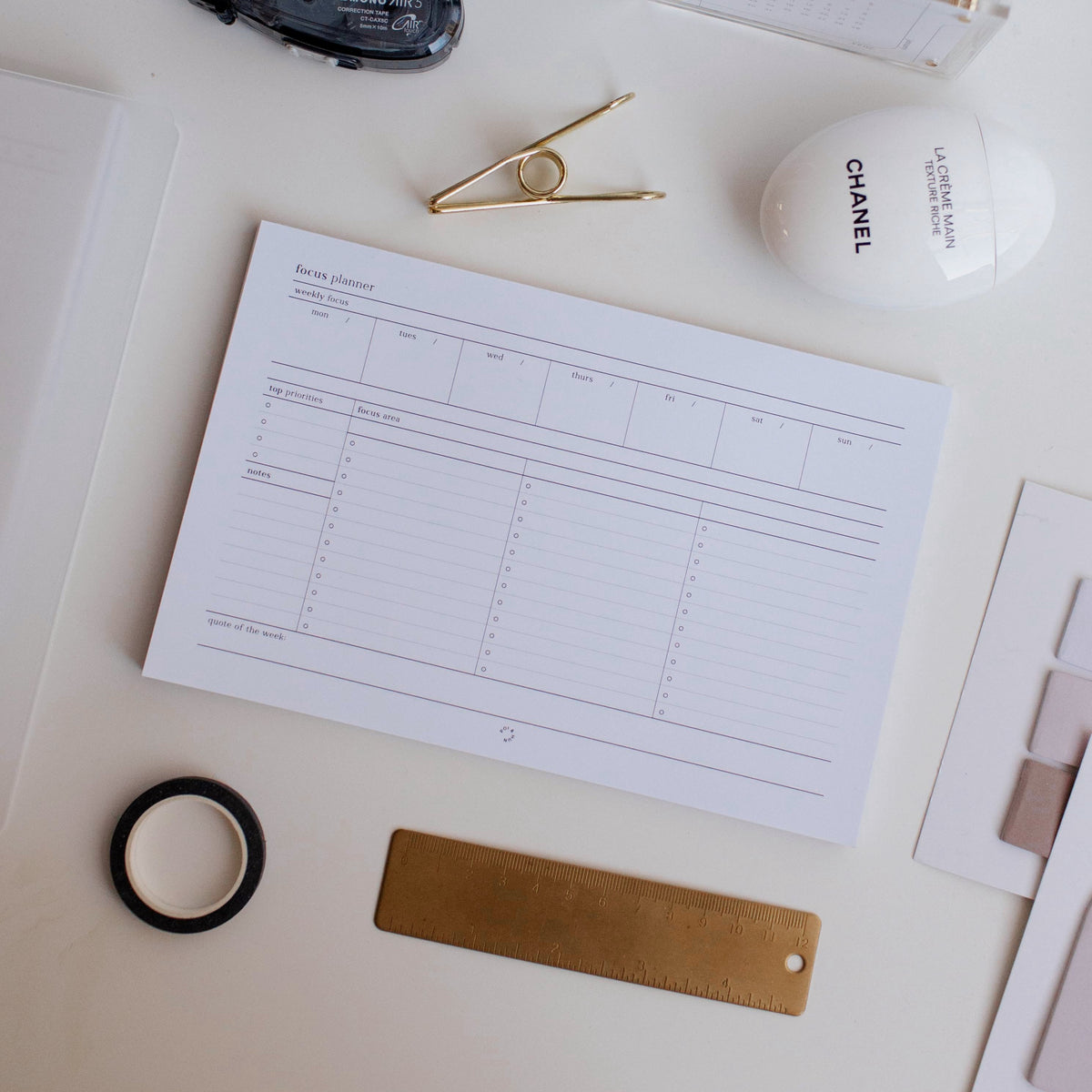
Use paper for planning, thinking, and focus
-
Use digital tools for execution and storage
Let analog guide clarity; let digital handle speed.
A Tool That Supports How We Think
At SerenityCasa, we believe focus begins with intention. Choosing paper—especially for thinking and planning—is a simple way to create calm in how you work and live.
Sometimes the most effective tools are the quietest ones.