


Planning Your Week Without Overloading
Planning should bring clarity—not pressure. A well-planned week isn’t one that’s packed full, but one that leaves room to think, adjust, and breathe. When you plan with intention instead of urgency, your week feels lighter and more manageable from the start.


Why Overplanning Creates Burnout
When every hour is accounted for, there’s no space for reality. Unexpected tasks, low-energy moments, and life itself begin to feel like interruptions rather than part of the flow.
Overplanning often leads to:
-
Decision fatigue
-
Constant catch-up mode
-
A sense of never doing enough
Less structure—used wisely—can create more focus.
Start With Priorities, Not Tasks
Instead of listing everything you could do, identify:
-
1–3 priorities for the week
-
What truly needs your best energy
-
What can wait or be optional
Planning around priorities keeps the week intentional, not overwhelming.
Plan in Blocks, Not Hours
Time-blocking doesn’t need to be rigid.
Try grouping your week into loose blocks:
-
Focus work
-
Admin or errands
-
Rest or recovery
Blocks give direction while still allowing flexibility.
Leave White Space on Purpose
White space isn’t wasted time—it’s buffer time.
-
For delays
-
For thinking
-
For rest
A plan that includes space is more realistic and easier to follow.
Write It Down, Simply
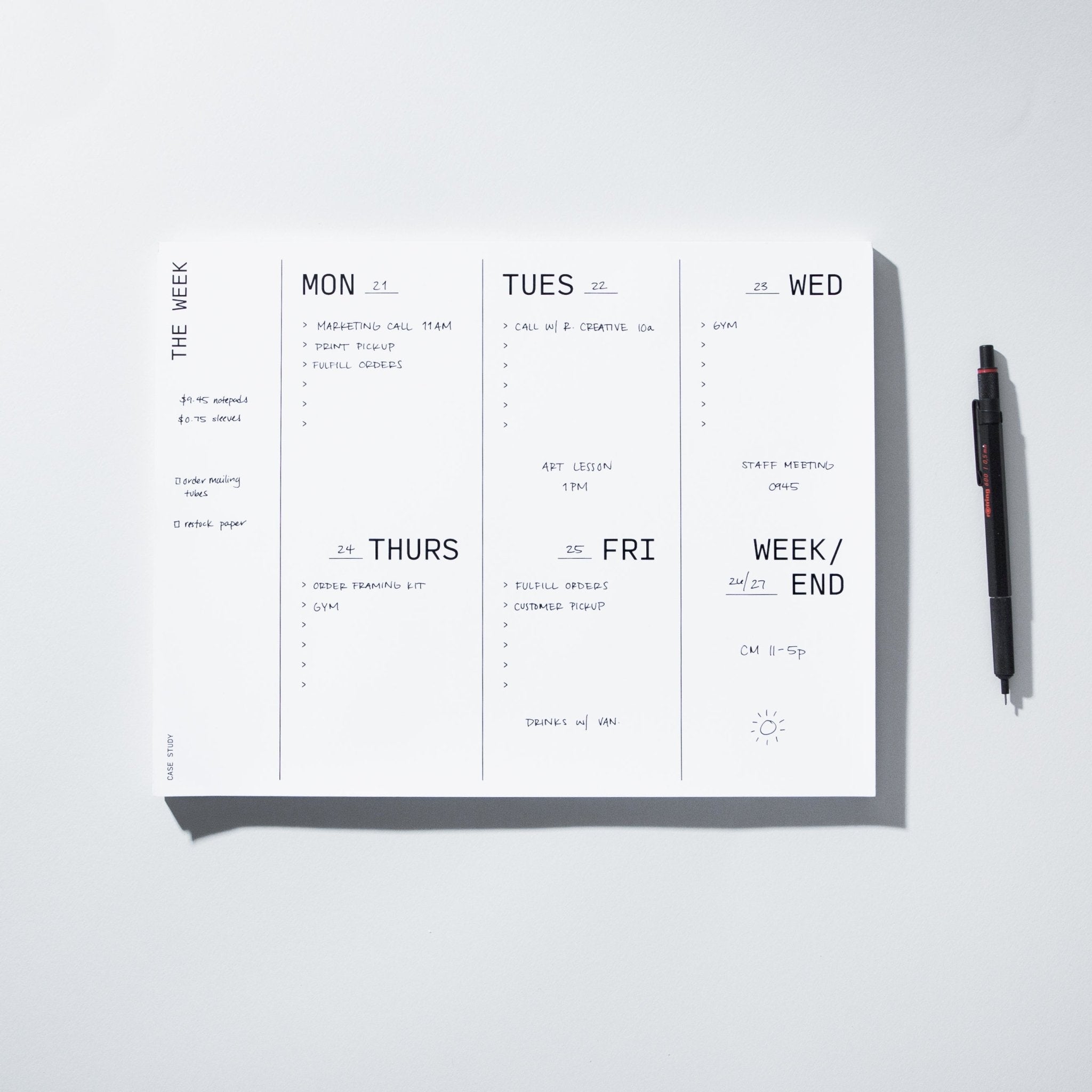
Use paper or a simple planner to map your week.
-
Avoid over-detailed schedules
-
Keep lists short and visible
-
Let completed tasks feel complete
Seeing your plan on paper helps reduce mental clutter.
End the Week Gently
Before the week begins—or the night before Monday—take two minutes to review:
-
What matters most
-
What you can let go of
-
Where you want ease, not effort
A calm start sets the tone for everything that follows.
A Week That Supports You
At SerenityCasa, we believe planning should support life, not dominate it. When your week is planned with care and space, productivity feels natural—and balance becomes possible.