


The Cost of Constant Rearranging
Rearranging feels productive—but often, it’s not. Constantly moving things around creates the illusion of improvement while quietly draining energy, focus, and trust in your own system. What looks like care can turn into hidden cost.


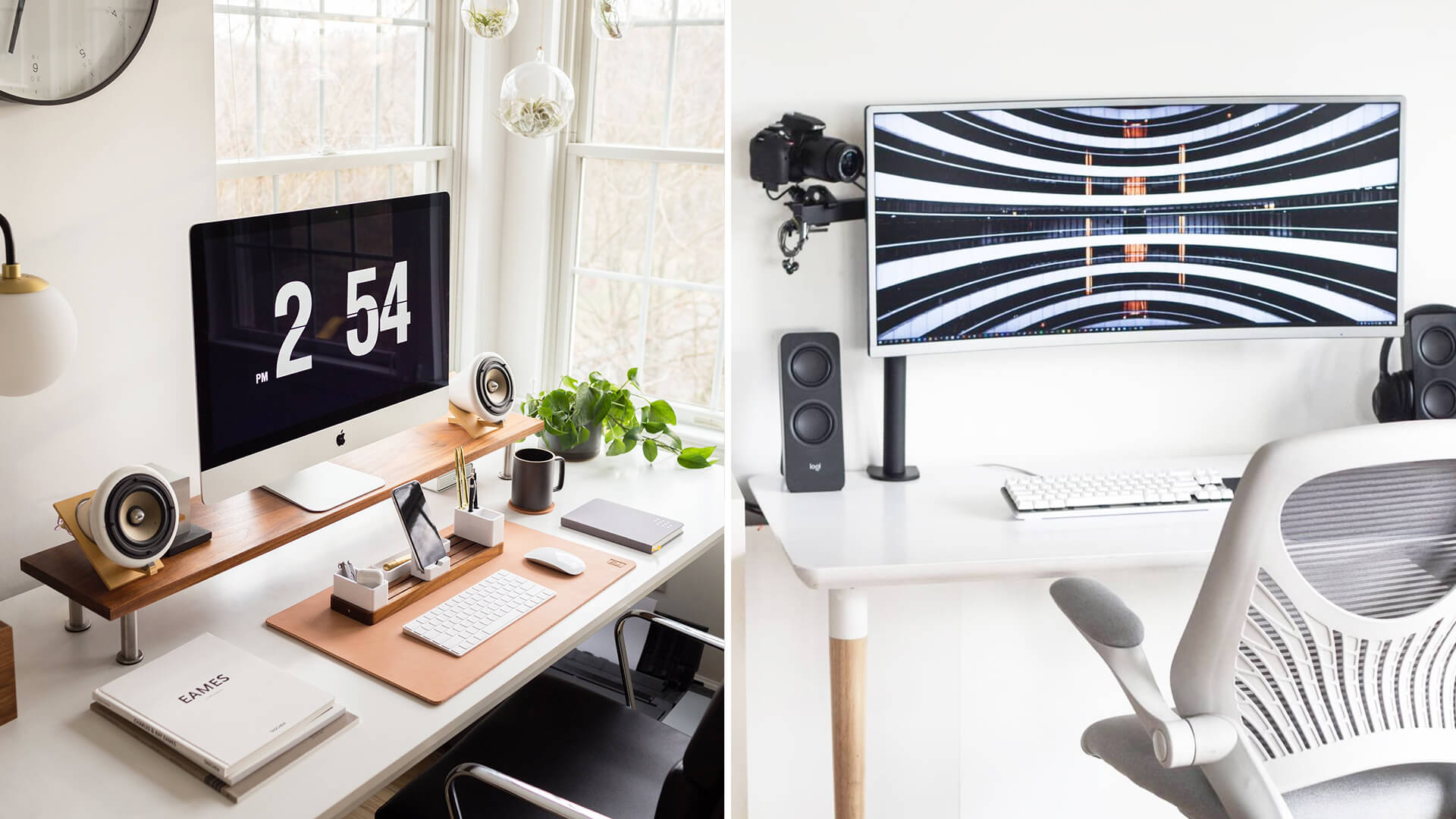
Why Rearranging Feels Good (At First)
Rearranging gives quick relief.
-
A sense of control
-
A fresh visual reset
-
A short burst of motivation
But relief isn’t the same as progress.
🧠 The Hidden Costs of Constant Rearranging
1️⃣ You Reset Your Brain Every Time
Each new layout requires re-learning.
-
Where things live
-
How to start
-
What belongs where
Your brain never gets to settle into flow.
2️⃣ Focus Is Spent on Setup, Not Work
When layouts keep changing:
-
Starting feels harder
-
Muscle memory never forms
-
Small delays repeat daily
Those minutes add up—to fatigue.
3️⃣ Rearranging Can Become Avoidance
Sometimes rearranging replaces the real task.
-
When work feels unclear
-
When decisions feel heavy
-
When progress feels uncomfortable
Movement feels safer than commitment.
4️⃣ Systems Never Earn Trust
A system only works if it stays long enough to prove itself.
-
Constant change prevents feedback
-
Nothing gets optimized
-
Doubt replaces confidence
Stability builds trust. Trust supports focus.
🌿 When Rearranging Does Make Sense
Change isn’t the enemy—timing matters.
-
When your role changes
-
When a tool is clearly slowing you down
-
When friction is consistent, not occasional
Intentional change beats reactive change.
✨ What to Do Instead of Rearranging
Pause Before Moving Anything
Ask:
“What problem am I actually trying to solve?”
If the answer isn’t clear, don’t move things yet.
Change One Variable Only
If something isn’t working:
-
Move one item
-
Adjust one zone
-
Remove one obstacle
Small, testable changes protect stability.
Let Systems Settle
Give any setup time.
-
A few days
-
A full week
-
Real usage
Systems reveal truth through repetition.
🌤 What Work Feels Like with Stability
When your setup stays put:
-
Starting becomes automatic
-
Focus lasts longer
-
Energy is conserved
-
Work feels calmer
Not because it’s perfect—but because it’s familiar.
Progress Isn’t Always Visible
Sometimes the most productive choice is not to change anything. Calm productivity often looks boring from the outside—but feels supportive from the inside.
Less movement.
More trust.
Work that flows.