


The Hidden Stress of Visual Noise
You don’t need chaos to feel overwhelmed. Sometimes, stress comes quietly—from visual noise. The small, constant signals in your environment that compete for attention without asking permission. Over time, they exhaust focus, elevate tension, and make even simple work feel heavy.
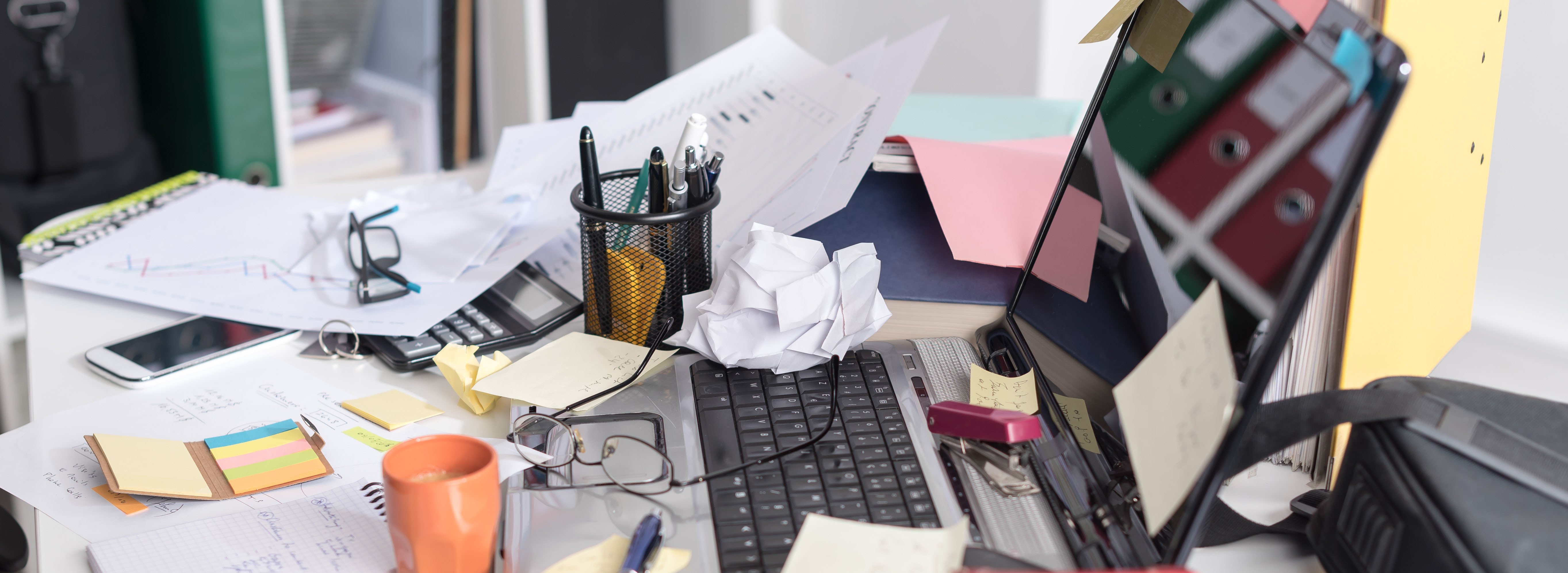


What Is Visual Noise?
Visual noise is anything your eyes process that your brain doesn’t need right now.
-
Stacks of papers
-
Open cables and chargers
-
Too many colors, notes, or objects
-
Screens with constant notifications
Your brain tries to organize it all—automatically.
🧠 Why Visual Noise Is Stressful
1️⃣ Your Brain Never Fully Rests
Even when you’re focused, part of your attention is busy filtering.
-
What’s important?
-
What can be ignored?
-
What’s unfinished?
That background effort causes mental fatigue.
2️⃣ Clutter Creates “Open Loops”
Unfinished or ambiguous items send subtle signals:
-
“Don’t forget me.”
-
“You still need to decide.”
These signals raise cognitive load—even if you’re not actively thinking about them.
3️⃣ Decision Fatigue Starts Visually
Every visible option is a decision waiting to happen.
-
Which notebook?
-
Which cable?
-
Which task first?
Too many visible choices reduce clarity before work even begins.
🌿 How Visual Calm Supports Focus
Visual Quiet Creates Mental Space
When the environment is calm:
-
Attention lasts longer
-
Stress responses soften
-
Focus feels lighter
Calm isn’t empty—it’s intentional.
Neutral Tones Help the Nervous System
Soft, consistent colors:
-
Reduce overstimulation
-
Make transitions gentler
-
Help the eye settle
This is why neutral workspaces often feel more grounding.
✨ How to Reduce Visual Noise (Without Over-Minimalizing)
Start With One Zone
You don’t need to fix everything.
-
Clear one desk surface
-
One shelf
-
One corner
Your brain responds immediately to local clarity.
Hide, Don’t Remove (At First)
Visual calm doesn’t mean throwing things away.
-
Store cables in a box
-
Close drawers
-
Use containers
Out of sight = out of mental load.
Limit What Lives in View
Ask one question:
“Does this support what I’m doing right now?”
If not, it doesn’t need to be visible.
🌤 What Work Feels Like With Less Visual Noise
People often describe it as:
-
Easier to start
-
Less draining
-
More controlled
-
Calmer, without effort
Because your brain finally has room to breathe.
You’re Not Sensitive—You’re Human
Visual noise affects everyone. Some people just feel it faster. Reducing it isn’t about aesthetics—it’s about respecting how the brain works.
Quiet space.
Lower stress.
Clearer thinking.