


What a Calm Desk Looks Like (And Why)
A calm desk isn’t empty—and it isn’t decorative. It’s intentional. Everything you see has a role, and everything without a role is quietly absent. The result isn’t just visual neatness; it’s mental ease. A calm desk supports focus without asking for attention.


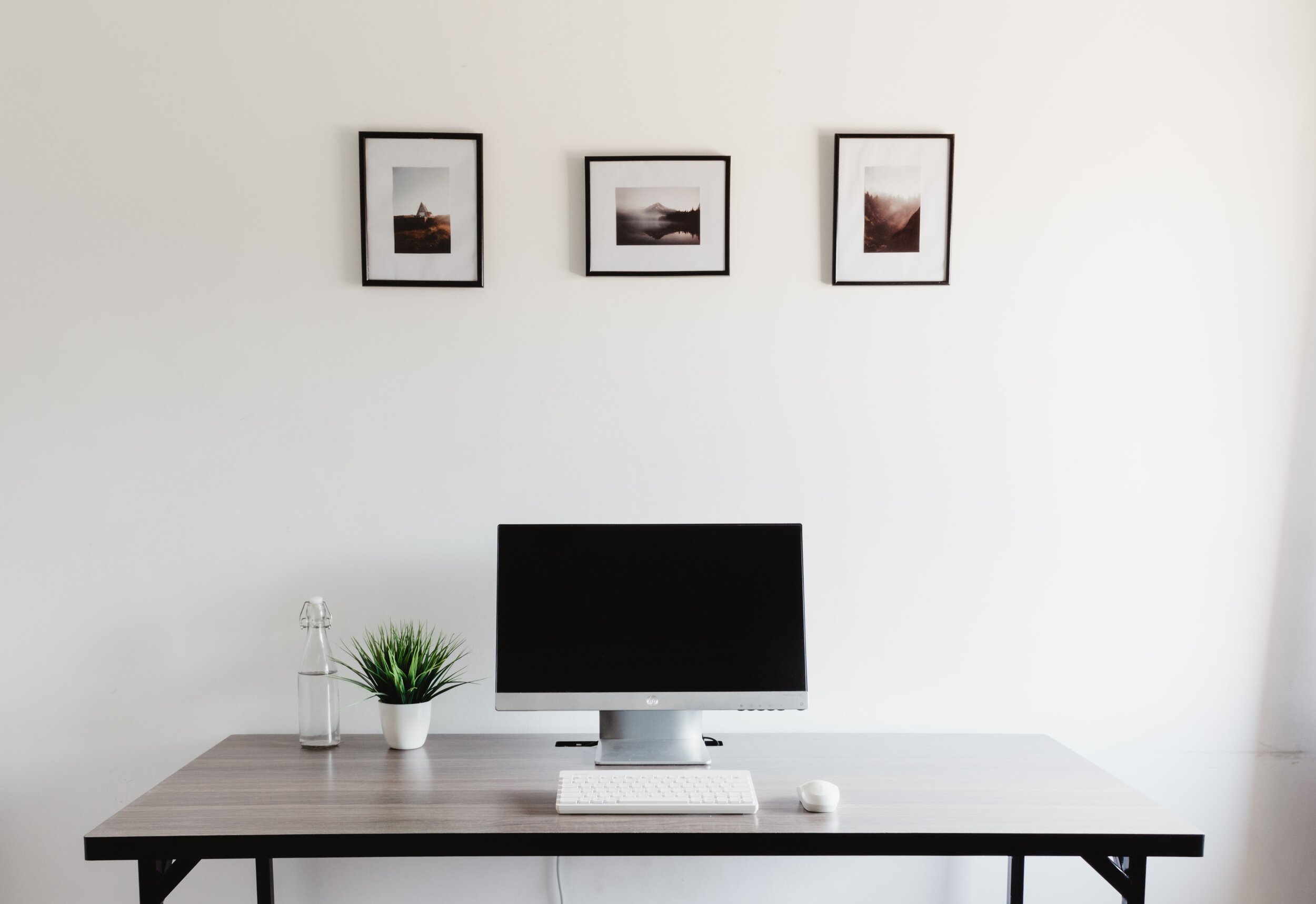
What Makes a Desk Feel Calm
Calm comes from clarity, not perfection. When the brain can immediately understand a space—what it’s for and how to use it—tension drops.
A calm desk communicates:
-
Where to begin
-
What matters now
-
Where things belong
No guessing. No background stress.
🌿 The Core Elements of a Calm Desk
1️⃣ One Clear Purpose
A calm desk does one main job.
-
Writing
-
Computer work
-
Planning
When a desk tries to do everything, it feels crowded—even when it’s tidy.
2️⃣ Visible Empty Space
Empty space isn’t wasted—it’s functional.
-
Gives the eyes a resting place
-
Allows movement without friction
-
Reduces background tension
Calm desks always include breathing room.
3️⃣ Only Daily-Use Items in View
What you use every day earns visibility.
-
Primary device
-
One notebook
-
One pen
-
One essential tool
Everything else is stored—not displayed.
4️⃣ Soft, Neutral Visual Language
Calm desks avoid visual shouting.
-
Neutral tones
-
Consistent materials
-
Limited color contrast
This helps the nervous system settle before work even begins.
5️⃣ Defined Zones (Without Borders)
Calm desks have invisible structure.
-
A work zone
-
A tool zone
-
A clear edge
You don’t see the zones—you feel them.
🧠 Why This Works (Psychologically)
Predictability Lowers Stress
When your environment is predictable:
-
Fewer decisions are required
-
The brain feels safer
-
Focus starts faster
Calm is often just reduced uncertainty.
Less Input = More Capacity
Every visible object uses a small amount of attention. When input decreases, capacity increases.
That’s why calm desks feel:
-
Lighter
-
Quieter
-
Easier to return to
🌤 What a Calm Desk Doesn’t Include
-
Storage pretending to be décor
-
Piles labeled “for later”
-
Tools used once a week
-
Objects without a job
If it doesn’t support today’s work, it doesn’t belong in sight.
A Simple Check
Ask yourself:
“If I sat down right now, would I know exactly what to do?”
If the answer is yes, your desk is doing its job.
Calm Is Designed, Not Found
A calm desk doesn’t happen by accident. It’s created through small, thoughtful decisions—what to keep, what to hide, and what to leave empty.
Clear role.
Quiet surface.
A desk that supports you back.