


Work Well, Live Better: Why Your Workspace Matters
Where you work shapes how you think, focus, and feel—often more than you realize. A thoughtful workspace doesn’t just improve productivity; it supports clarity, balance, and well-being throughout the day. When your workspace is calm, your work becomes lighter—and your life feels more grounded.
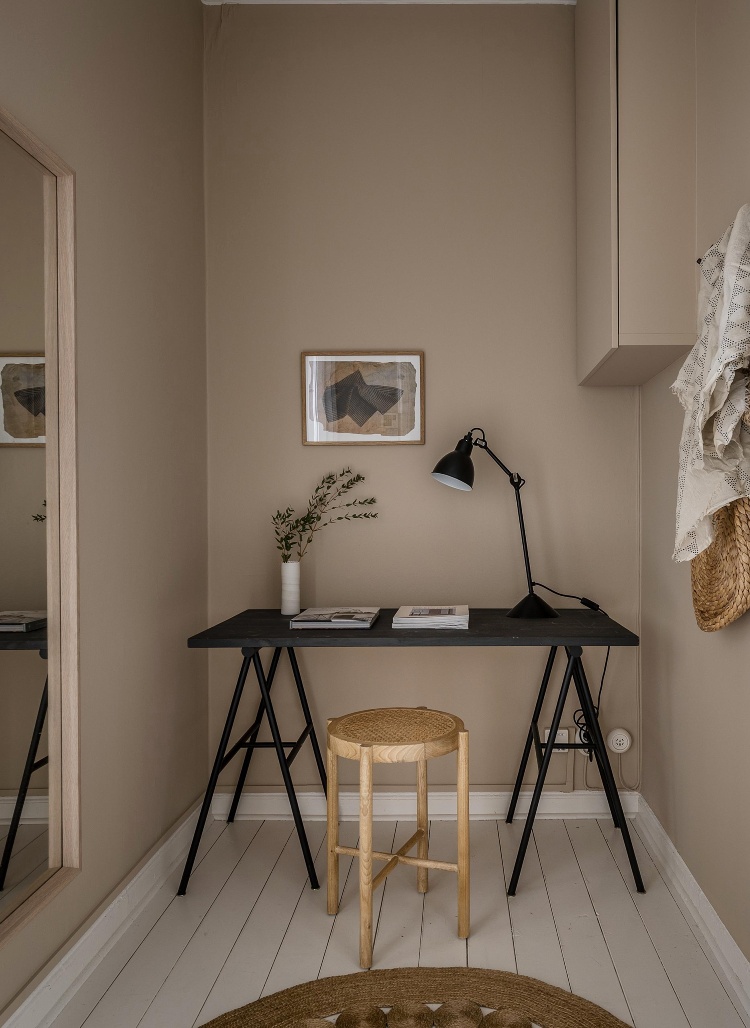
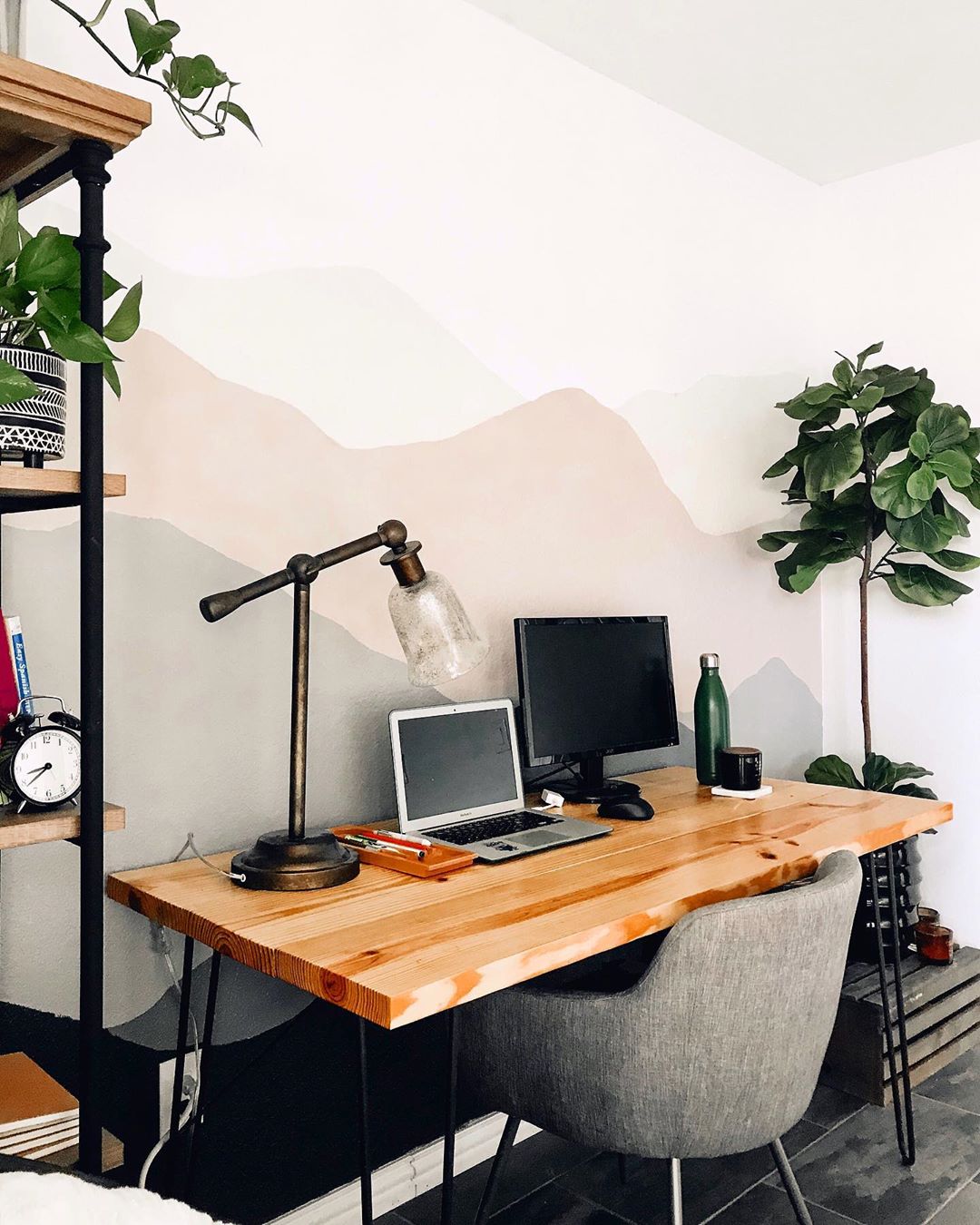
Your Environment Shapes Your Energy
The brain constantly responds to visual cues. Clutter, harsh lighting, and visual noise pull attention away from what matters. A calm workspace reduces that mental load, making it easier to focus without feeling drained.
A supportive workspace helps you:
-
Concentrate more easily
-
Feel less overwhelmed
-
Transition smoothly between work and rest
Clarity Starts with the Surface
You don’t need a full office to work well. You need one clear surface.
-
Keep only today’s essentials in view
-
Remove items that belong elsewhere
-
Let empty space exist
Visual breathing room creates mental breathing room.
Light Sets the Rhythm
Natural light improves alertness and mood. When daylight fades, warm, layered lighting helps you stay focused without strain.
Avoid relying on harsh overhead lights alone. A desk lamp or soft side light can completely change how work feels.
Neutral Tones Support Focus
Soft neutrals—warm whites, beiges, gentle greys—keep the mind steady. They don’t compete for attention, allowing your thoughts to stay centered on the task at hand.
Calm color = calm concentration.
Design Boundaries Protect Balance
A well-designed workspace helps you work and stop working.
-
A defined desk area signals focus
-
A tidy reset signals closure at the end of the day
When your space supports boundaries, work doesn’t spill into rest.
Function with Intention
Choose a few items that truly support you:
-
A comfortable chair
-
One organizer
-
One meaningful object
Purposeful tools reduce friction. Less reaching, less searching, less stress.
Work Well to Live Better
A calm workspace doesn’t push you to do more—it helps you do what matters with clarity. When work feels supported, the rest of life opens up more easily.
Working well isn’t about pressure.
It’s about alignment.